the typewriter you want (isn't the one you need).
I wanted a typewriter before I knew what kind of typewriter I wanted. The need was specific, but the instrument wasn't. So my wife and I started doing what people do when they know they want something old but have no real idea what they are looking for; that is, we went around to thrift stores.
Eventually, I found a Royalite 65. It was a tiny beige machine, made in Holland and with a leatherette case, and I paid twenty dollars for it. I started typing on this little Royal and almost immediately fell in love with the experience. Naturally, I decided that this meant I should buy more typewriters.
And so I did. There was a cute but fairly scuffed-up Smith-Corona Skyriter without a case, a mighty but slightly intimidating Olympia SM9, and a couple of Smith-Corona Galaxies whose retro-futuristic, almost Jetsons look I loved even though, for some reason, they didn't get as much use as they ought to have. Over the years, I got my hands on a lot of typewriters, and almost every time I found something to love. Some had wonderful actions. Some sounded incredible. Some were beautiful, historically interesting, or genuine feats of engineering.
And yet I kept coming back to that Royalite 65.
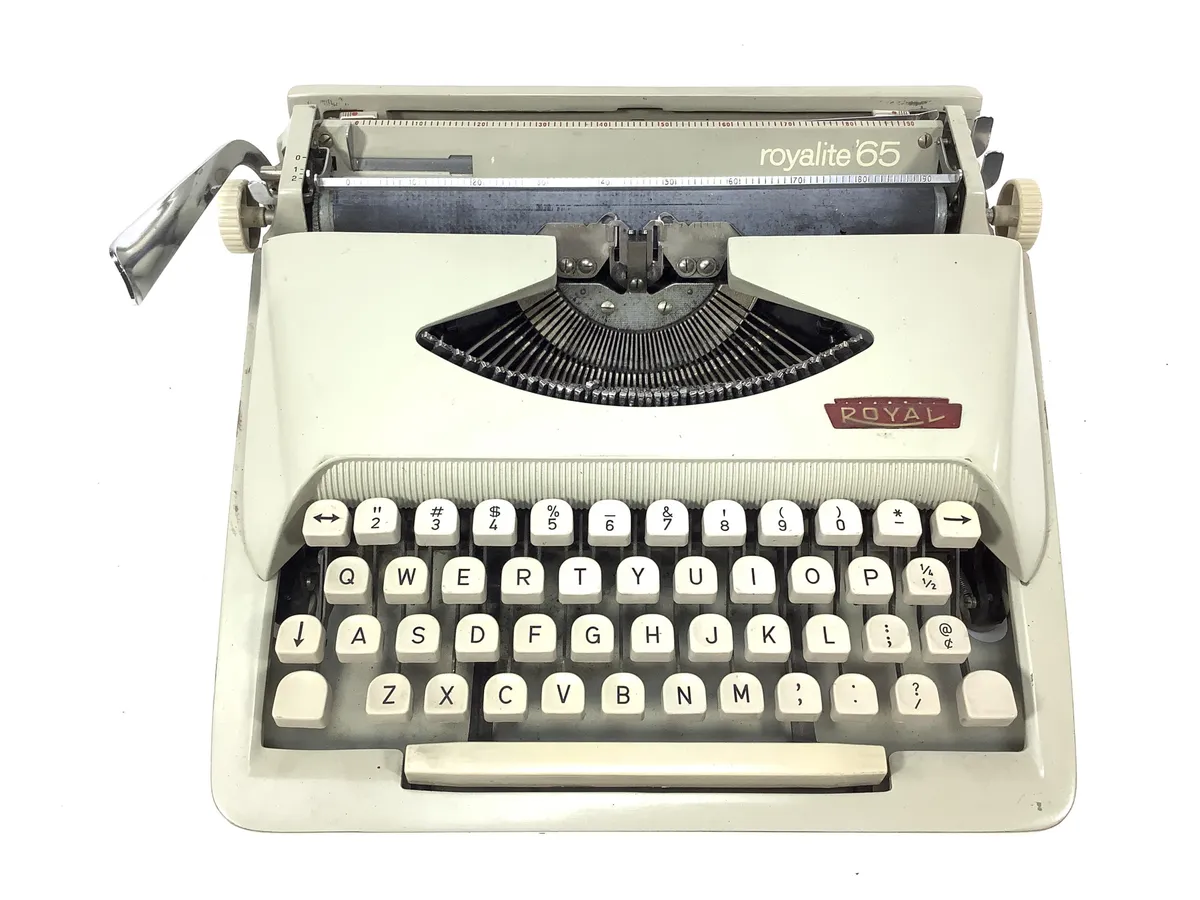
To this day, I don't own a particularly large personal collection. I have an Olivetti Lettera 32, an Olivetti Lettera 22, and that Royalite. The strange thing is that, as a typewriter mechanic, I can get my hands on just about any typewriter I want sooner or later. I've had machines across my bench that were rarer, more expensive, more prestigious and, according to plenty of people, simply better. I still gravitate toward those two Olivettis and that little Royal. The Olivettis aren't even the finest examples of their respective models I've ever seen, and almost nobody is going to describe a Royalite 65 as a dream typewriter.
But there it is. It works for me.
I think that's the thing people sometimes miss when they begin looking for a typewriter... the tool you need isn't always the one you think you want.
There Is No Best Typewriter
People ask all the time what the best typewriter is, and I understand the question. If you're spending money on something unfamiliar, really something old, very mechanical and possibly expensive, you want some reassurance that you're buying the right thing. So you watch YouTube videos, read forums and eventually certain names start appearing over and over again...
Hermes 3000. Olympia SM3. Olivetti Lettera 32. Royal Quiet De Luxe. Smith-Corona Silent-Super.
If you're not careful, you begin to think there must be a hierarchy somewhere, and that if you simply buy one of those machines you will have purchased excellence.
People shop for vintage typewriters in many of the same ways they shop for luxury items and collectibles. They care about reputation, rarity, looks, prestige and provenance. They may want the machine they saw in a movie or the one their favorite writer used. None of that is wrong. Some people want a Valentine because, well, look at the damn thing. Some want an Olympia because it looks like a serious writer's machine. Some want a big desktop Underwood because it carries that wonderful old newspaper-room atmosphere with it.
Those are perfectly legitimate reasons to be drawn to a machine. They're just not necessarily good enough reasons to choose one, because sooner or later, if you actually intend to type on the thing, your hands get involved.
The Typist You Imagine
There's usually some element of self-image involved in buying a typewriter. We conjure up the kind of typist we want to be rather than beginning with the typist we already are. Maybe we're the detective in the film noir hammering out a report at two in the morning. Maybe we're the mother in the coffee shop writing the next Harry Potter. Maybe we're the lyricist typing words onto a page that will someday sell for thousands of dollars.
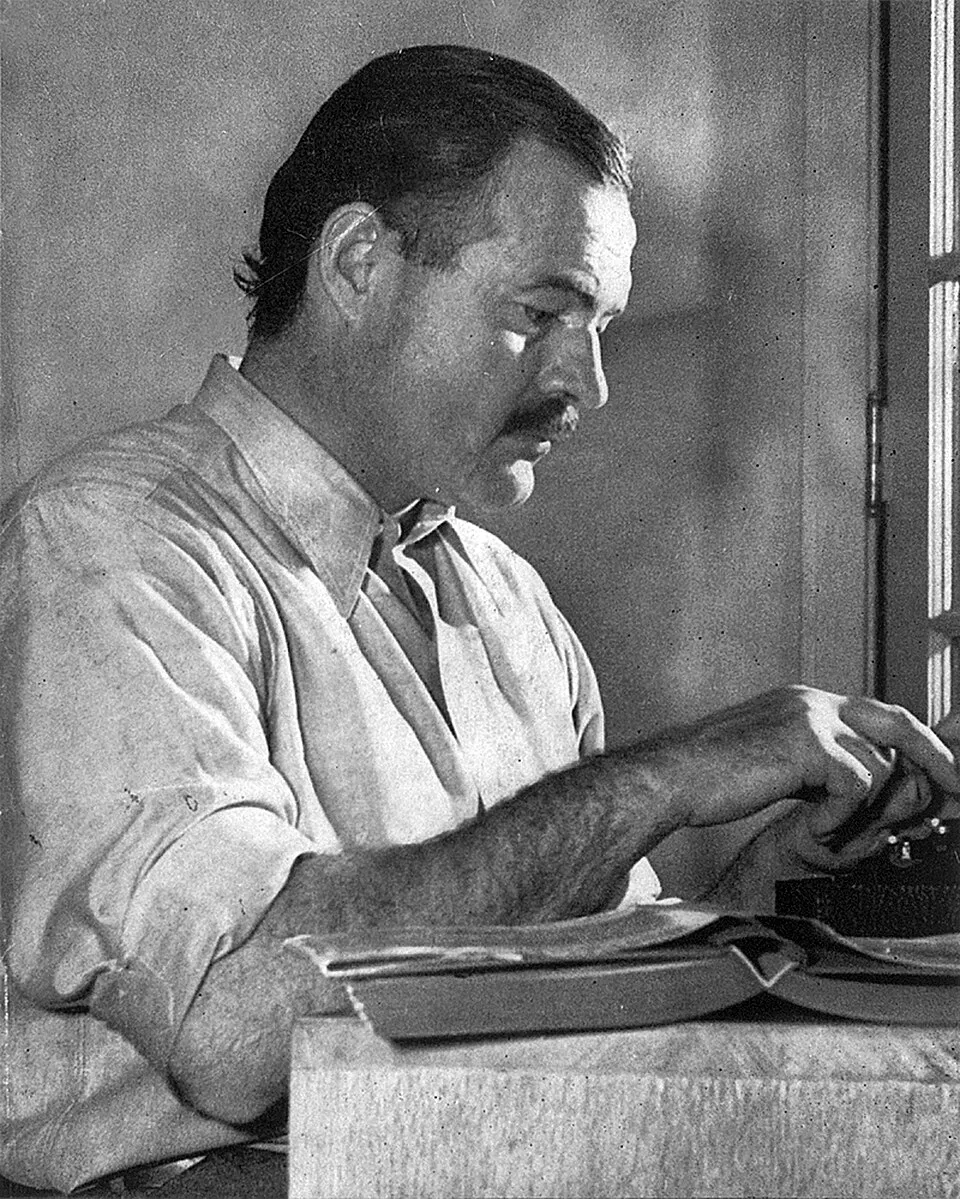
The trouble is that all of those fantasies put us into somebody else's shoes. A typewriter is a terrible tool for pretending to be somebody else for very long. It's too physical and repetitive. You have to sit in front of it, strike the keys, return the carriage, make mistakes and keep showing up. Eventually the fantasy burns away and what remains is you and the machine.
Who you are in anything really is who you are in everything, after all. If you're going to commit to typing regularly, you have to make that commitment yourself. A typewriter can't make it for you. Buying the machine that represents the person you'd like to become doesn't automatically turn you into that person.
In that sense, I think a typewriter is almost like a mirror. The objects that become beloved to us tend to reflect something back: our habits, personality, routine, taste. Eventually you stop interacting with the idea of a typewriter and begin interacting with your typewriter. Part of helping someone find the right machine, then, is probably helping them understand themselves.
What Are You Actually Going to Do With It?
This is the question I care about most as a mechanic. Are you going to write a novel at night? Type a few letters every month? Carry the machine around? Leave it permanently on a desk? Maintain it yourself or have a professional take care of it? Do you want something beautiful in the room, something you can carry through an airport, or something that rewards sitting down for three hours at a time?
Once I know that, I can begin prescribing machines. A person writing a novel at night might love a Royal Quiet De Luxe. An Olympia could make sense too. Maybe a Smith-Corona suits someone who wants that slightly cushioned, distinctly American typewriter feel, while an Adler appeals to someone who values efficiency and precision. If portability is the priority, now we're talking about machines like the Adler Tippa, Smith-Corona Skyriter, Hermes Baby, or Olivetti Lettera 22.
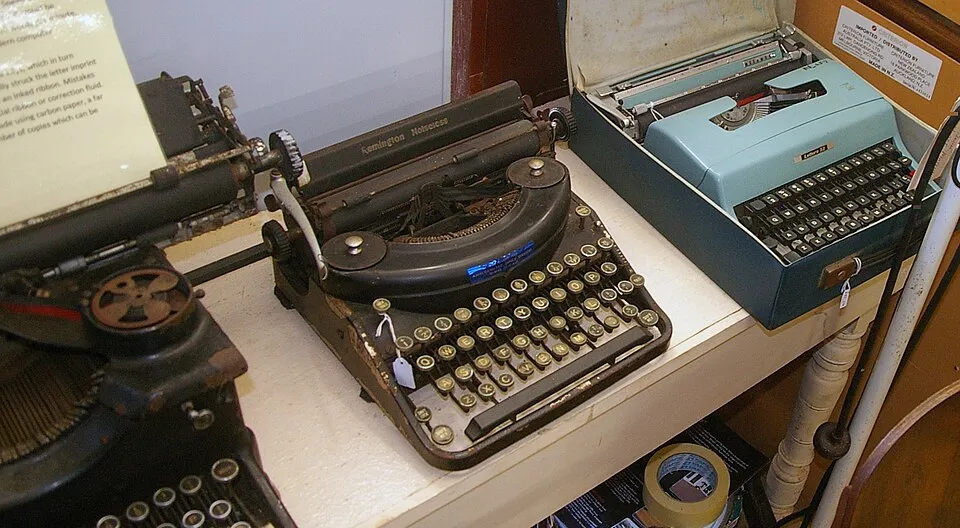
The point isn't that one of these is the correct answer. Several machines can solve the same problem. The useful question isn't which typewriter is best? It's which typewriters are good at the thing I actually need to do?
Three Questions Before You Buy
So before you start shopping by reputation, I would ask yourself three things.
What will I actually do with this machine week to week? Not someday. Not once you become the person who wakes up at 5:30 every morning and writes six pages before breakfast. What are you actually going to do?
What compromises can I live with? Weight, size, maintenance, price, noise, keyboard feel and portability all matter. A typewriter doesn't need to be perfect. It needs to be imperfect in ways that don't bother you.
What matters most to me? Feel? Looks? Story? Portability? Durability? Typeface? Rarity? There is no wrong answer, but you should have an answer.
Absolute Beginners and Everybody Else
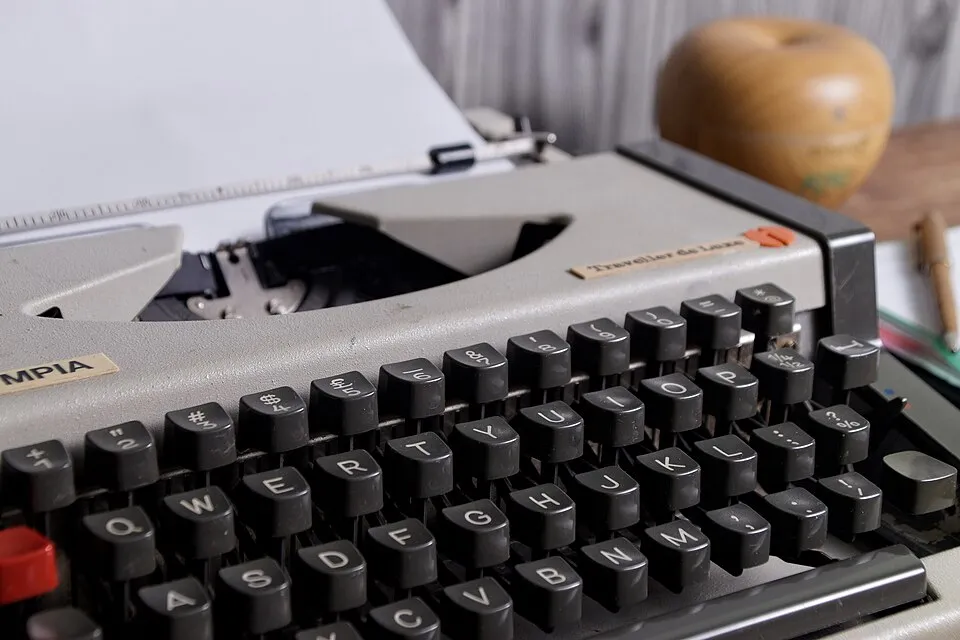
If you are an absolute beginner (like the David Bowie banger), don't spend a mint on something you may discover you don't enjoy using. That doesn't mean buy garbage. It means make a smart first decision. Get your hands on a working machine if you can. If you can't, talk to somebody knowledgeable and trusted. Your first typewriter doesn't have to be your forever typewriter. Its job is to teach you whether you actually like typing this way.
Perhaps you’re a little more advanced as a typist. If so, don’t assume this means you know what you like unless you really know yourself as a writer. How often are you typing? How many pages are you producing? What irritates you about your current machine? What makes you reach for it?
The number of pages in your wastepaper basket and the number of empty ribbon spools you've gone through are probably better indicators of what kind of machine you should splurge on than the number of YouTube videos you've watched.
You Actually Probably Don't Need a Hermes 3000
Sooner or later, almost everyone who gets interested in typewriters discovers the Hermes 3000, hears that it's one of the greatest typewriters ever made and begins wondering whether their life has been incomplete without one.
You know who needs a Hermes 3000? Besides Tom Hanks, almost no one.
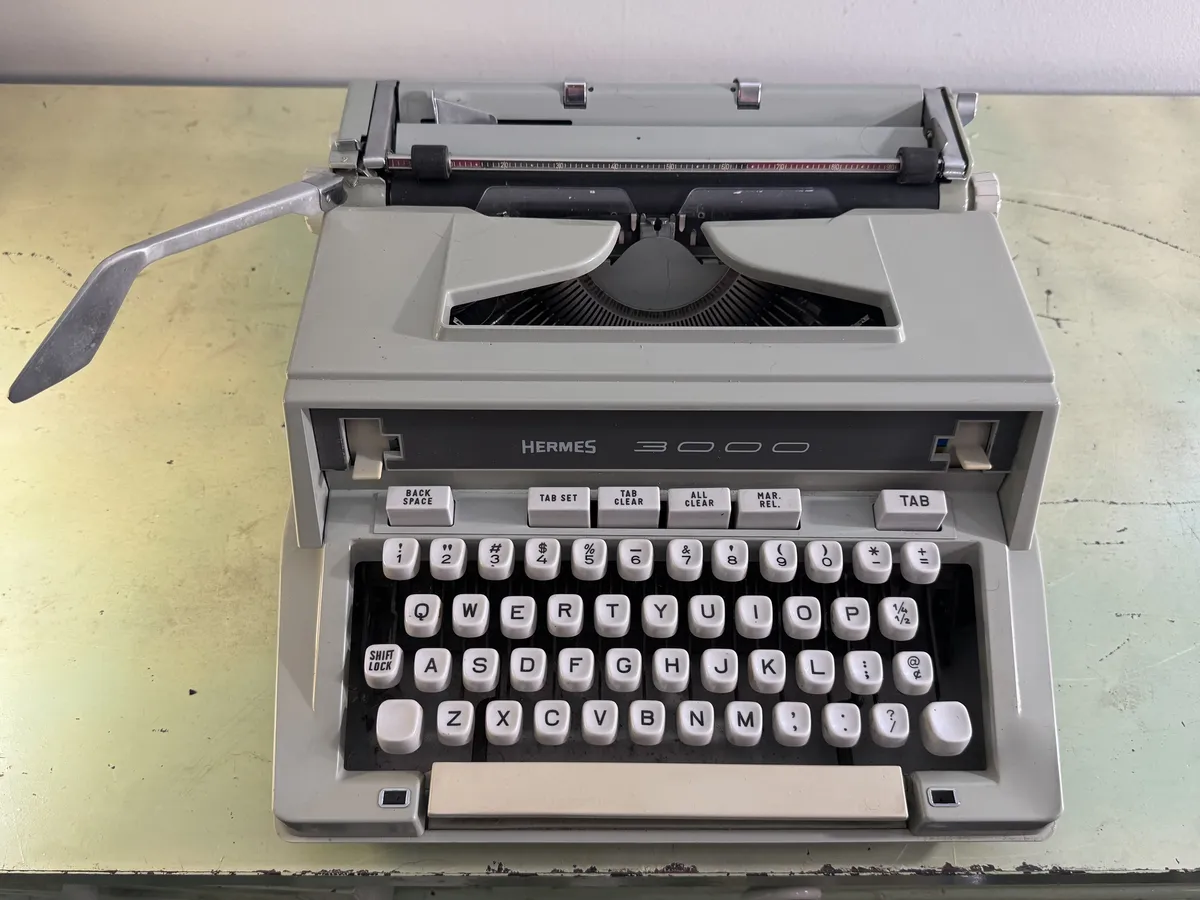
I'm not saying it isn't wonderful. It is. I'm not anti-expensive typewriter, and I'm not pro-cheap typewriter. I'm for the best working machine for the person using it. An \$800 Hermes might be the wrong typewriter for someone flying from city to city. A \$125 Brother made in Japan might be the wrong machine for someone spending all night and all day typing a novel.
Price doesn't answer the question. Reputation doesn't answer it either. What are you asking the machine to do?
The One You Keep Typing On
At the end of the day, the best typewriter isn't the typewriter you're supposed to want. I understand why people look for consensus, particularly when buying something they can't easily try beforehand. Consensus feels safe. But that's not really how tools work.
The best typewriter for you is the one you're going to keep typing on. Do your hands enjoy it? Does it fit the work you actually do and the life you actually live? Does it ask you to tolerate things that will eventually drive you crazy, or does it disappear beneath your hands long enough for you to do the work?
Your eyeballs are only going to get you so far. If you can put your fingers on a machine before buying it, do so. If you can't, talk to somebody who knows the machines and is willing to listen before recommending one. Tell them who you are, how you write, what you expect, what you can live with and what you can't.
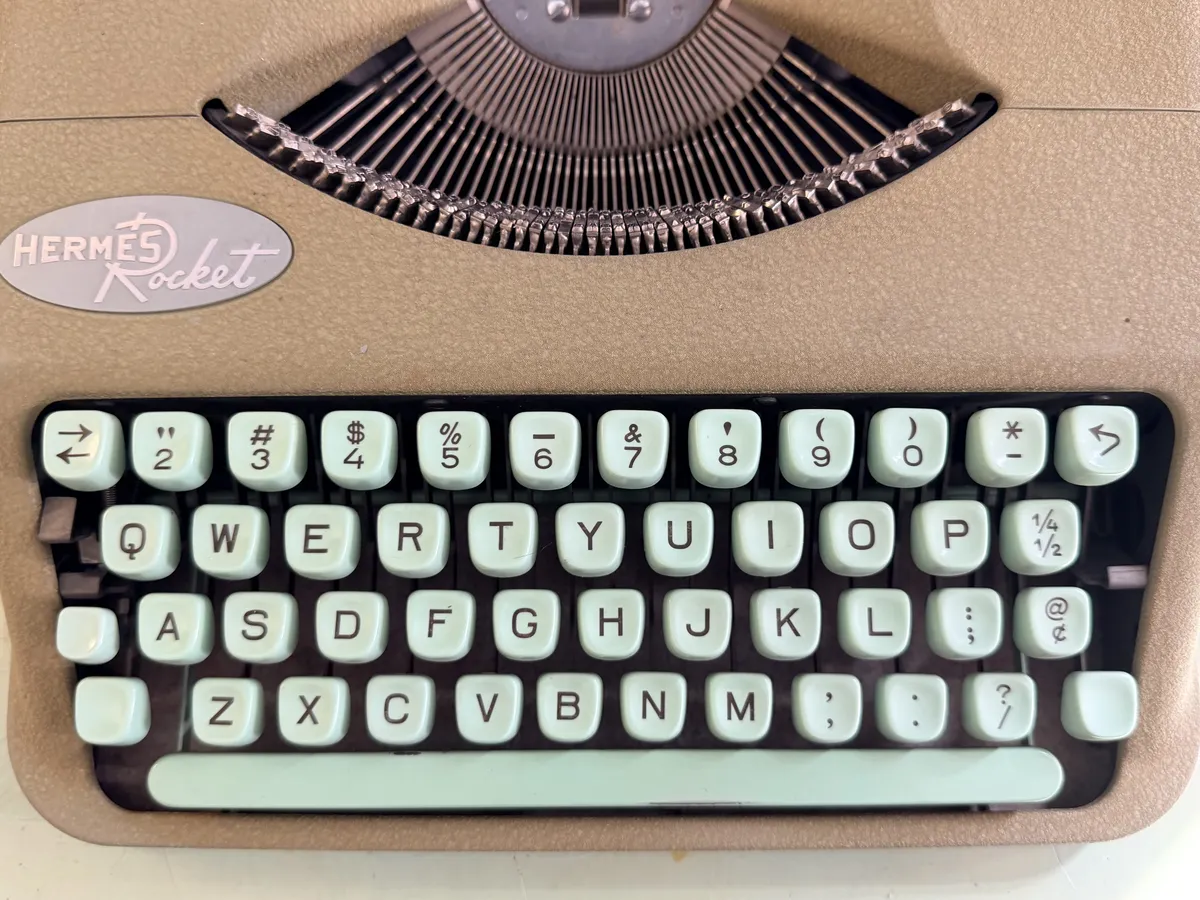
You don't need someone to prescribe the mythical best typewriter. You need someone to help narrow the field until the machine begins to resemble the person who will actually use it.
Because (as ever and always) the best typewriter isn't the one that turns you into somebody else. It's the one that lets you keep being yourself long enough to fill the wastepaper basket.
___