forget the "best beginner" typewriter. just buy a good typewriter.
“What’s the best typewriter for a beginner?”
My honest answer is that there isn’t one.
There are plenty of bad first typewriters. Some are difficult to repair. Some are missing parts that are now nearly impossible to find. And others are (unfortunately, to my view) so collectible that you spend more time worrying about scratching them than actually writing. A first typewriter shouldn’t require its owner to become a museum curator.
After buying, repairing, selling, and typing on a good many vintage machines, I’ve found myself favoring the same handful for a new owner over and over. They’re simply machines that I've found make people want to keep feeding in another sheet of paper. If there were only one quality I could choose for a typerwriter to possess, that'd be it.
Here are the five I come back to most often.
Smith-Corona Galaxie Series
For the writer who just wants to get words on the page.
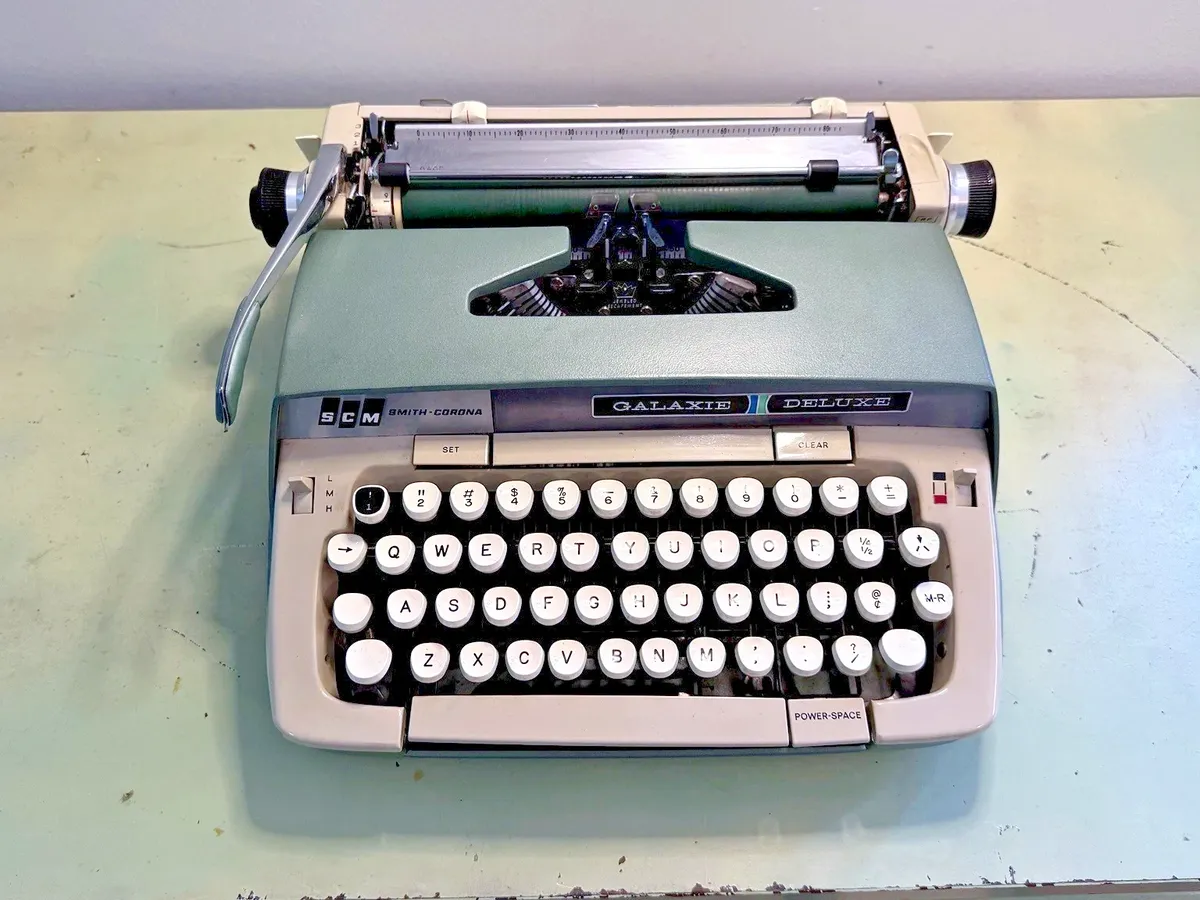
If I knew someone planned to spend all afternoon writing, there’s a good chance I’d hand them a Galaxie.
The mid-sixties Smith-Corona portables have an almost cushioned feel. They don’t beat up your fingers, and after an hour or two you stop thinking about the machine altogether. You’re just writing, which is about as high a compliment as I can give a typewriter.
They’re wonderfully American, too. Broad, solid, optimistic machines. Typing on one feels a little like pressing the buttons that launch a Cold War missile. Somehow that’s comforting, in a "raised during the Reagan Eighties" sort of way.
From my side of the bench, they’re equally appealing. Smith-Corona built these in huge numbers, parts are still around, and many components interchange with related machines. If one comes into my shop needing help, I’m usually optimistic before I even pick up a screwdriver.
I really feel these Smith-Corona machines present the whole package, from the beginner to the typewriter enthusiast. I'll always have at least one on hand. If you asked me for a dependable daily driver, this is where I’d begin.
Olivetti Lettera 22 & 32
For the hopeless romantic.
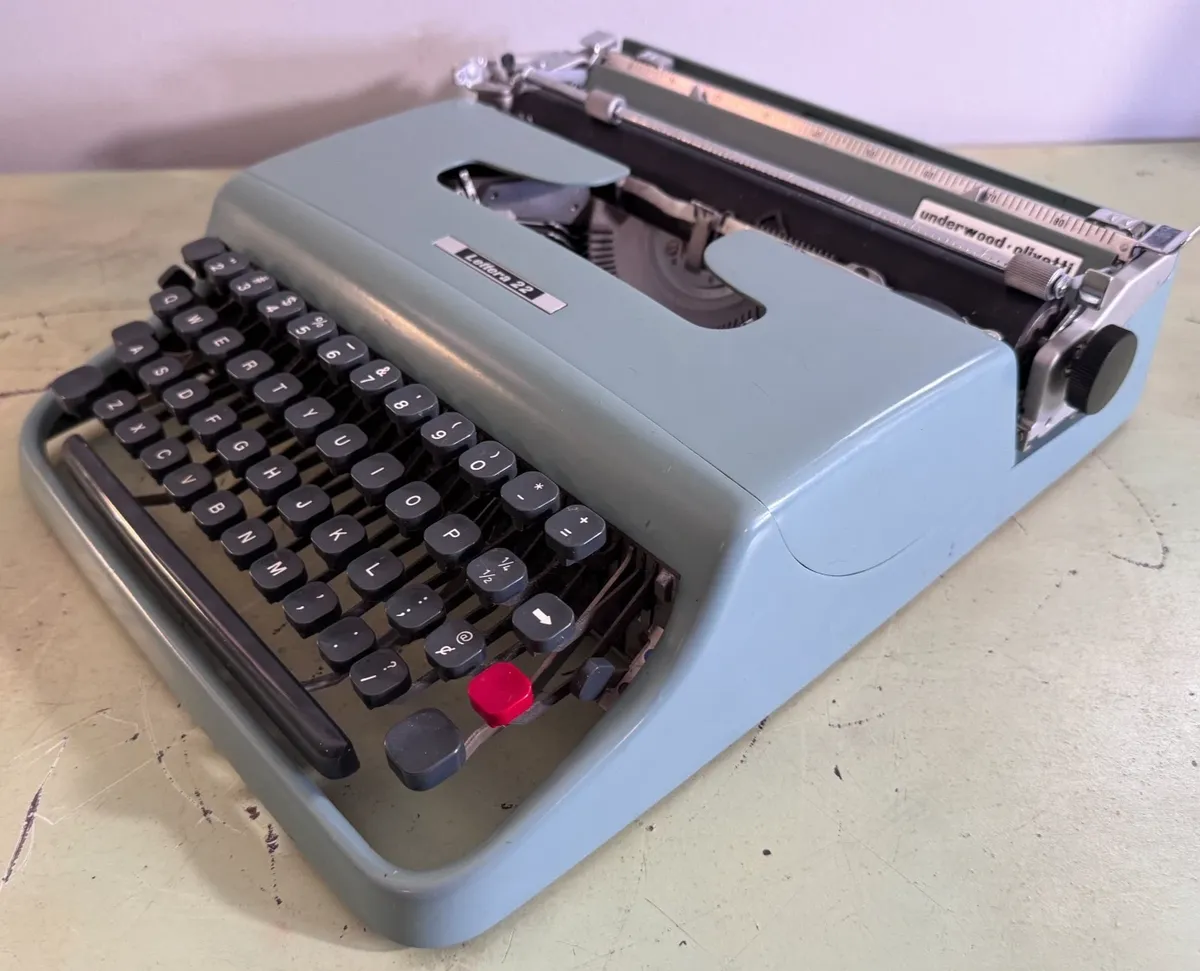
All right, now for my personal bias. I’ve tried very hard not to make every recommendation an Olivetti. But eventually honesty wins.
The Lettera 22 and 32 are my all-time favorite typewriters for simply tapping away.
An Olympia feels crisp and authoritative. An Olivetti feels nimble. The keys dance instead of march. Everything about the experience, from the sound and the touch to the proportions and the European style, encourages you to keep going for one more paragraph.
It’s no accident that these machines became favorites of writers and journalists. Marcello Nizzoli’s 22 design has aged so gracefully that the Lettera still looks modern on a desk, and the machines have spent decades traveling alongside everyone from Joan Didion and Leonard Cohen to Tom Hanks.
The Lettera 32, meanwhile, became famously associated with Cormac McCarthy, who saw little reason to replace it after writing much of his career on one. That’s good company, but the celebrity isn’t the point. They’re simply delightful machines to write on. Beautiful without trying too hard, and they never let their looks get in the way of being genuinely useful.
Plus, if you fall in love with the Olivetti feel but want something with a little more desktop presence, the Studio 44 is well worth exploring. It retains much of that unmistakable Olivetti character while offering a bit more substance.
Royal Quiet De Luxe
For the nostalgist.
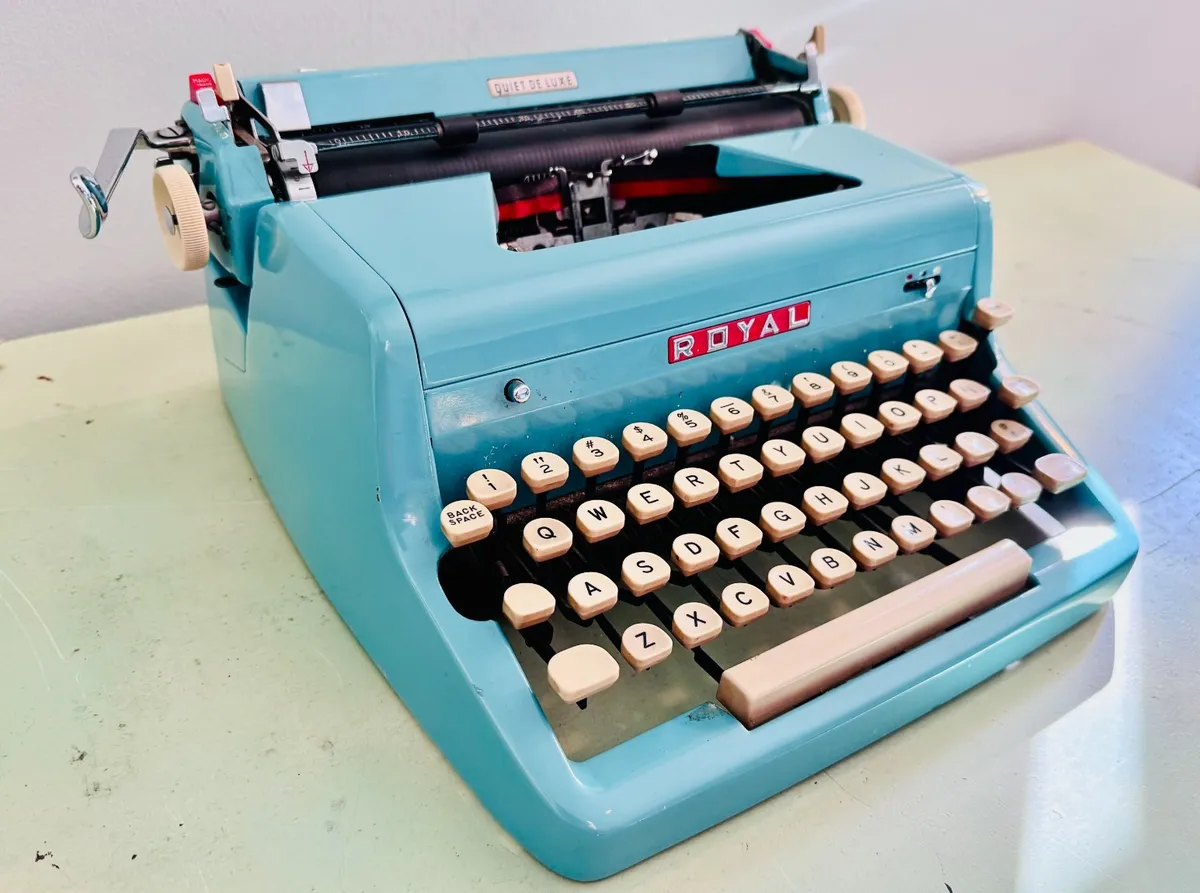
If someone asked me to draw a typewriter from memory, I’d probably sketch a Royal Quiet De Luxe. To my eye, it’s what a typewriter is "supposed" to look like.
First, it has all the right proportions. It feels substantial without being cumbersome, familiar without becoming boring, and capable without showing off.
Then there are the colors. Royal somehow pulled off a neat trick in the 1950s: it convinced people that a serious writing machine could also be turquoise, coral, seafoam green, or powder blue. The result doesn’t feel kitschy or gimmicky. It feels optimistic. Even a little punk rock.
The Quiet De Luxe also benefits from something wonderfully practical: Royal made a lot of them. Parts are still obtainable, donor machines exist, and they’re straightforward to keep running.
If someone told me they’d always wanted “a vintage typewriter,” this is probably the picture they’ve had in their head all along.
Brother Charger Series
For the colorful modernist.
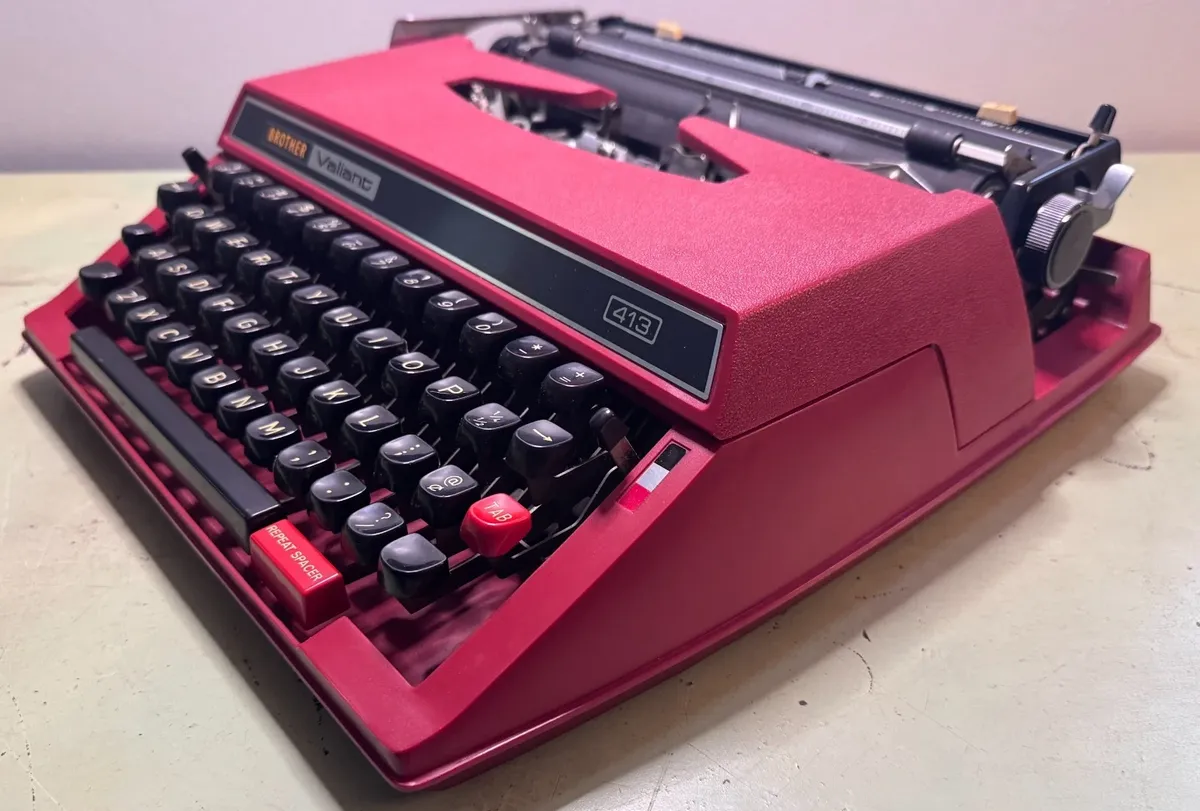
Poor Brother. They rarely get invited into conversations dominated by Olympia, Hermes, and Olivetti, and I think that’s actually a real shame.
By the 1960s, Japanese manufacturers were proving they could build machines every bit as thoughtfully engineered as their American and German competitors, typically at a friendlier price point. Brother was right in the middle of that story.
The Charger family is compact, dependable, genuinely portable, and available in enough colors to make choosing one half the fun. The orange Elite, bright yellow Charger, and red Valiant currently in my shop are three particular favorites that have shown up in the store recently.
Buying a Brother instead of an Olympia isn’t "settling." It’s choosing a different personality... something a little lighter on its feet, a little less formal, and usually a little kinder to your wallet.
I wish more people gave them a chance.
Olympia SM7, SM8 & SM9
For the enthusiast.
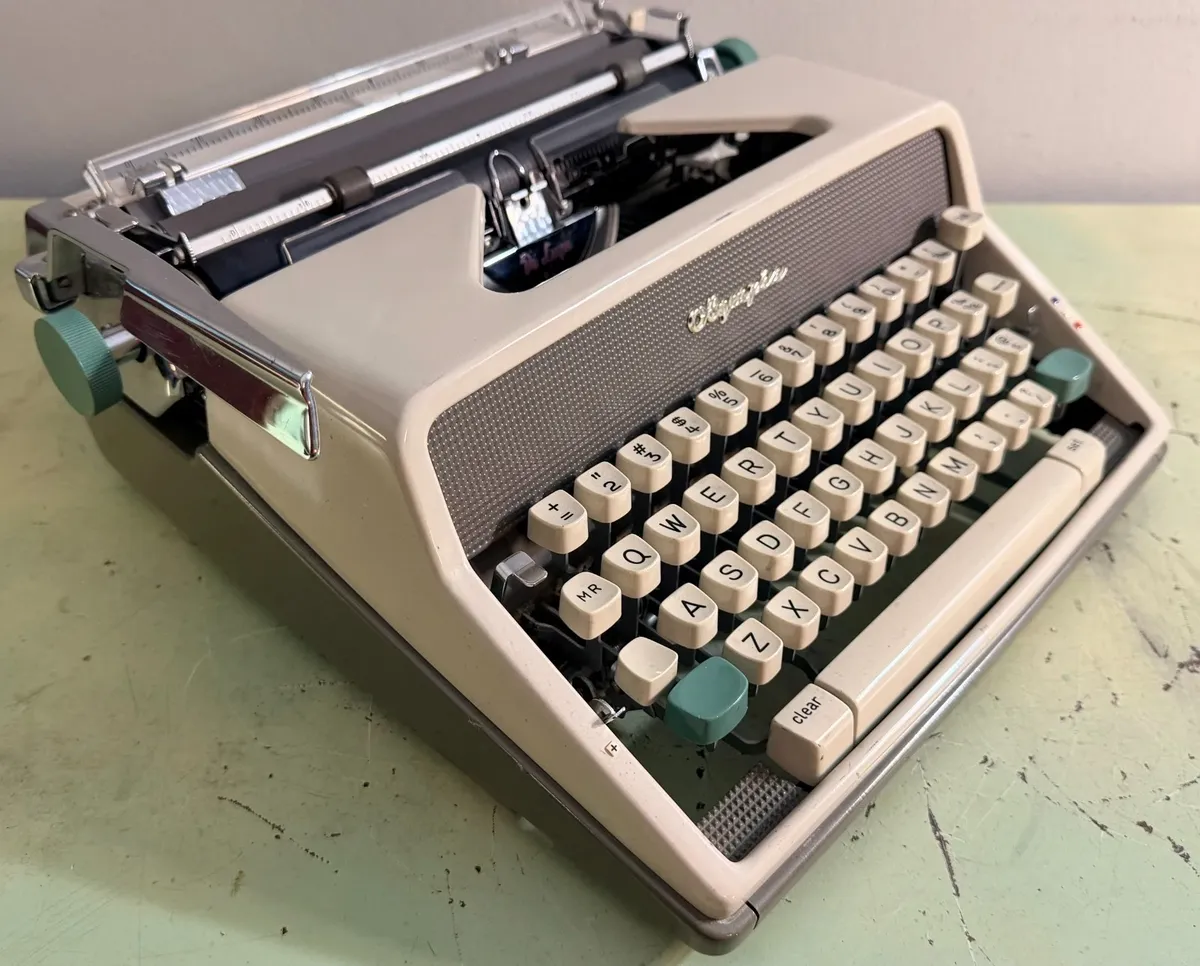
If I had to choose the benchmark by which I judge most portable typewriters, it’d be the Olympia SM series.
There’s a reason they’re so respected. Everything feels deliberate. The keystroke is crisp, the controls inspire confidence, and the engineering is wonderfully German in the best possible sense of the phrase.
The SM7 uses carriage shift, while the later SM8 and SM9 use segment shift, making the Shift key noticeably lighter. It’s one of those thoughtful refinements that doesn’t change the character of the machine; it simply makes an already excellent design a little easier to live with.
Olympias often reward people who enjoy hunting for typefaces. Whether you’re after Pica, a more distinctive Elite, or one of the increasingly desirable Script machines, there are treasures to be found.
Would I recommend one to everybody? Not quite. I feel Olympias deserve to be appreciated. They aren’t machines I’d buy simply because they’re fashionable or collectible. They’re serious writing instruments, and they shine brightest in the hands of people who intend to use them that way.
If someone emailed me six months after buying an Olympia and said they’d written their first novel on it, I’d be very pleased (and not too surprised).
A Few That Just Missed the Cut
Limiting myself to five feels a little unfair.
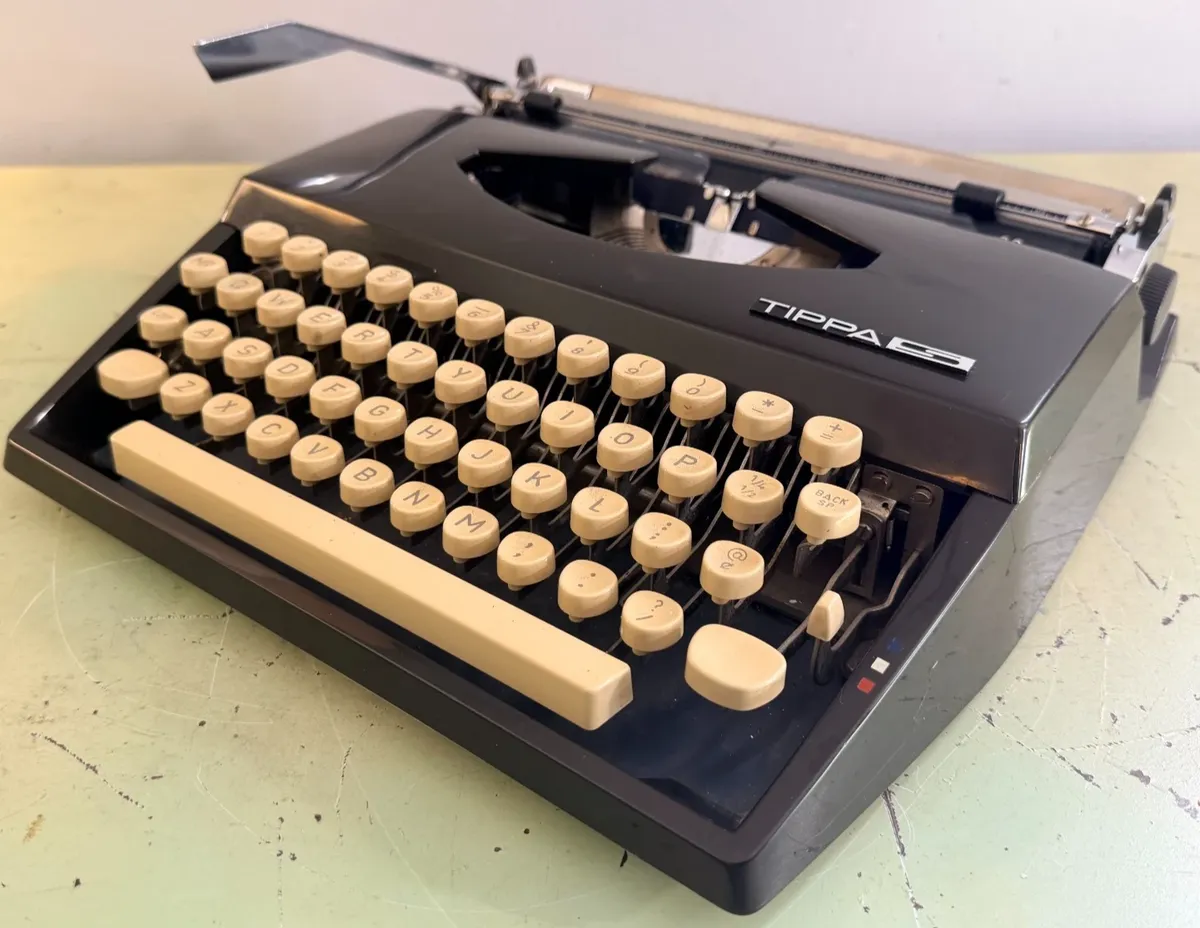
The Adler Tippa S remains one of the best bargains in vintage typewriters. It’s compact, thoughtfully engineered, surprisingly good to type on, and somehow still doesn’t receive the attention it deserves.
The Smith-Corona Silent-Super is another easy recommendation. If the Galaxie represents Smith-Corona’s Space Age years, the Silent-Super is mid-century America at its best: dependable, satisfying, and still capable of decades of serious writing.
And don’t overlook later Royal portables such as the Royalite, Parade, and Safari. They’re often overshadowed by their older siblings, but they can be pleasant, practical writers and are usually available without the collector premium attached to some earlier Royals.
So... which one should you buy?
Probably the one that makes you want to write.
That’s a frustrating answer, I know, but it’s also the truth.
If comfort matters most, I’d steer you toward a Smith-Corona Galaxie. If you want something lively, elegant, and just a little romantic, it’s hard to beat an Olivetti Lettera. If you’ve always imagined owning the classic American typewriter, a Royal Quiet De Luxe is a wonderful place to start.
If you appreciate value, portability, and understated engineering, don’t sleep on a Brother. And if you’re ready to own one of the finest portable typewriters ever built, an Olympia SM will probably spoil you for everything that comes after.
There are dozens of other machines I could have included, and on another day this list might look a little different. But the above have earned my trust.
As a mechanic, I know they’re machines I can usually keep running. As a writer, I know they’re machines that make me want to put another sheet of paper in.
To me, that’s about the highest compliment a typewriter can receive.
(browse typewriters here.)