tales from the bench no 1: why i am the typewriter mechanic.
Every so often someone confuses me for a typewriter restorer.
And really that's a generous compliment that I should and I do appreciate. But I almost always find myself correcting them.
“I’m... really more of a mechanic.”
That isn’t false modesty; it sure isn’t a shot at branding. It’s just the most appropriate word I’ve come across for the way I think about these machines.
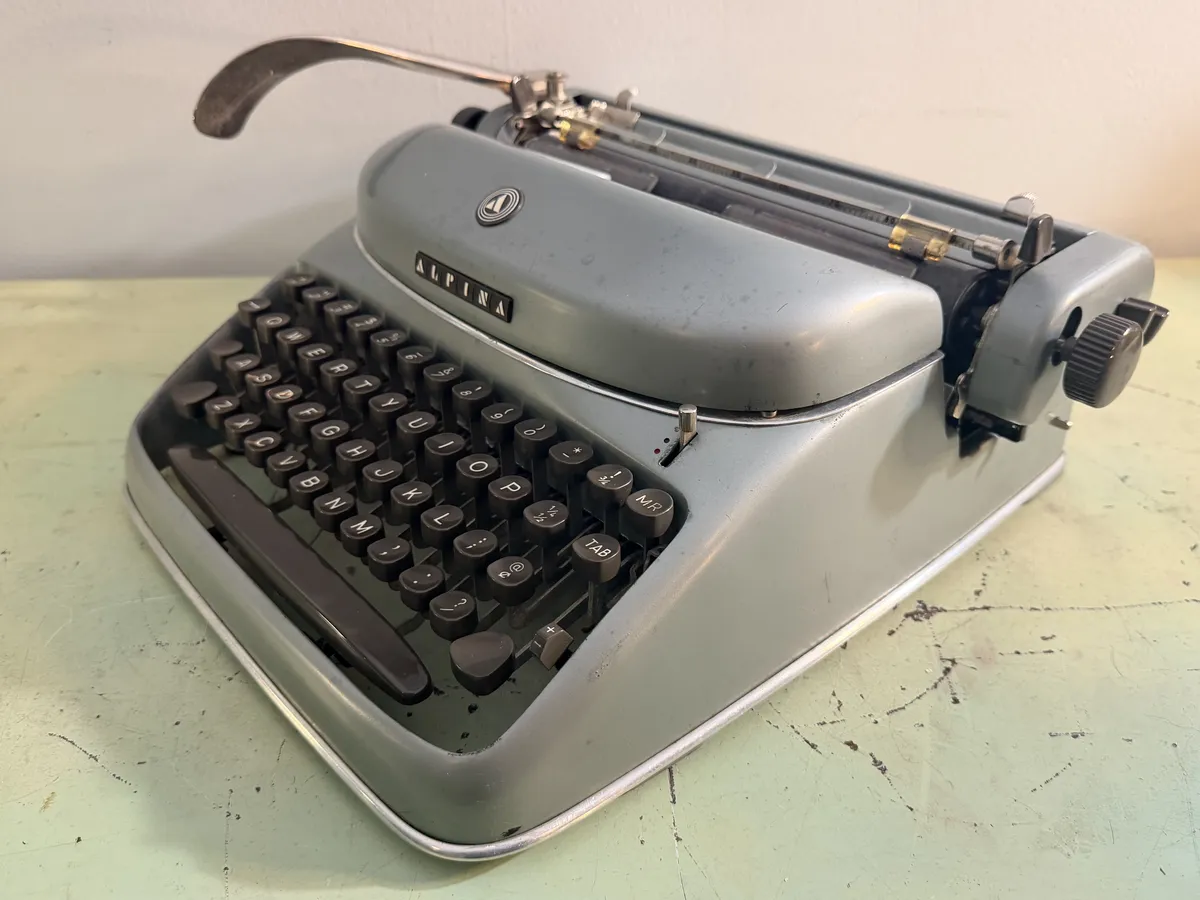
I’ve had typewriters longer than I’ve been married, and Kathleen and I have been married for sixteen years now. Well before I sold them, I collected them. Well before I worked on someone else’s machine, I worked on my own. Like a great many good folks in this hobby, I learned repair out of necessity. A carriage stopped advancing. A key refused to return. A margin quit working. If I wanted to keep using these old machines, I either had to learn how they worked or accept that they would slowly become attractive paperweights.
But typewriters are patient teachers.
I didn’t learn repair through formal training. I learned it by cleaning honestly, buying neglected machines, making mistakes, asking questions, and solving one problem after another. Every stubborn typewriter taught me something the last one hadn’t.
When I recently decided to try and make a business out of that work, there was some tentativeness on my part. Part of my hesitation, if I’m honest, was wondering whether anyone wanted the sort of work I actually enjoyed doing. There are wonderful restorers whose craftsmanship I admire immensely, and there are sellers who prefer to leave a machine largely untouched.
I’ve never felt entirely at home in either camp. The work I enjoy lives somewhere between those two ideas. I want a machine to leave my bench mechanically confident, cosmetically honest, and ready to spend another lifetime doing what it was built to do.
Frankly, the distinction probably comes down to the way I think about age now in my forties (and really rapidly approaching eighty-five).
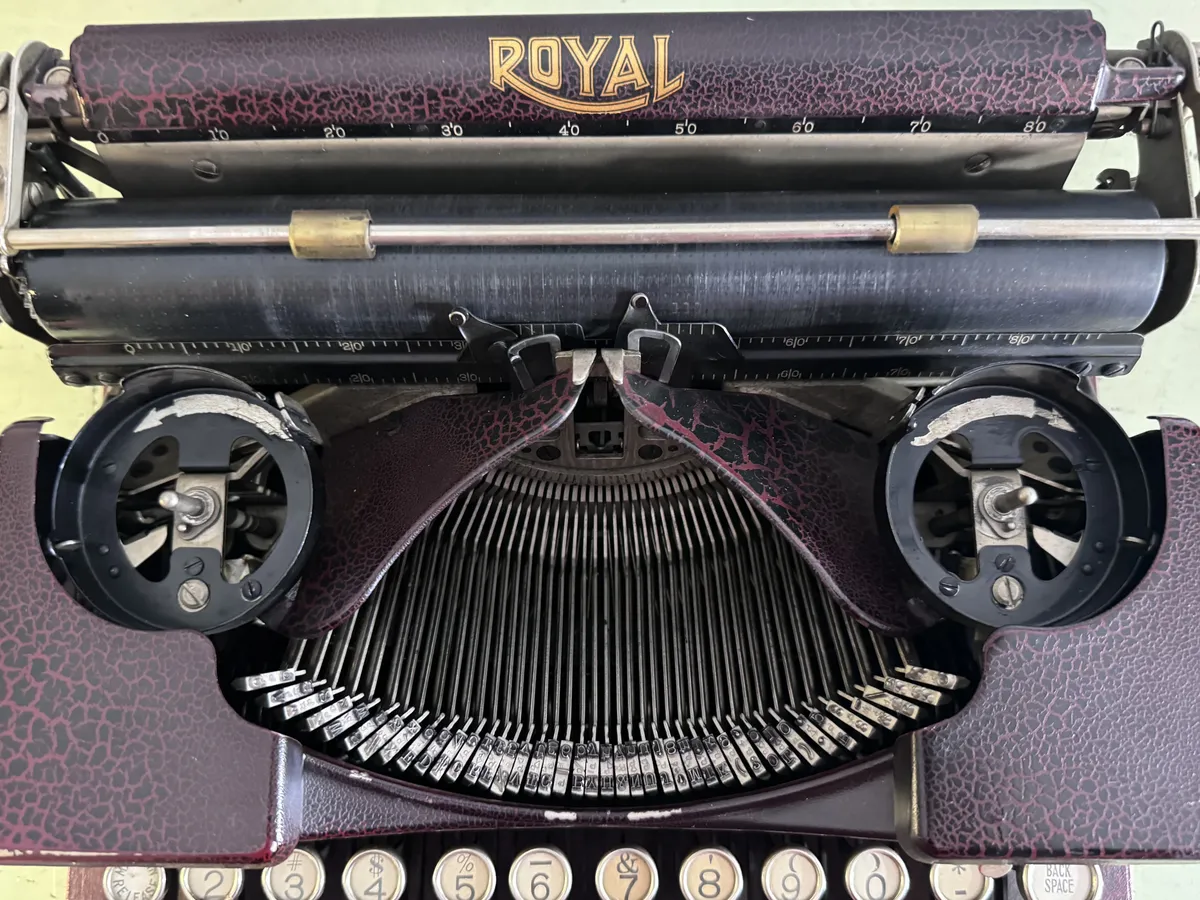
Typewriter owners and sellers often apologize for scratches, worn paint, or faded decals. I understand why. We’re conditioned to think wear is something to be corrected. I question the conditioning.
The smooth patch on a ribbon cover where someone’s hand rested for decades isn’t damage. Neither is the paint worn from the edge of a space bar, or the initials scratched into the bottom of a carrying case by an owner who wanted to be sure it found its way home. Those things took years to happen. They’re evidence that the machine wasn’t only owned. It served a purpose, and a noble purpose at that, and was used.
I find that inspiring.
Those marks are the closest thing a typewriter has to wrinkles. They tell us almost nothing specific, yet somehow they tell us everything important. This machine mattered to someone. It worked for a living. It survived. Just like we try to.
I don’t feel much temptation to erase that.
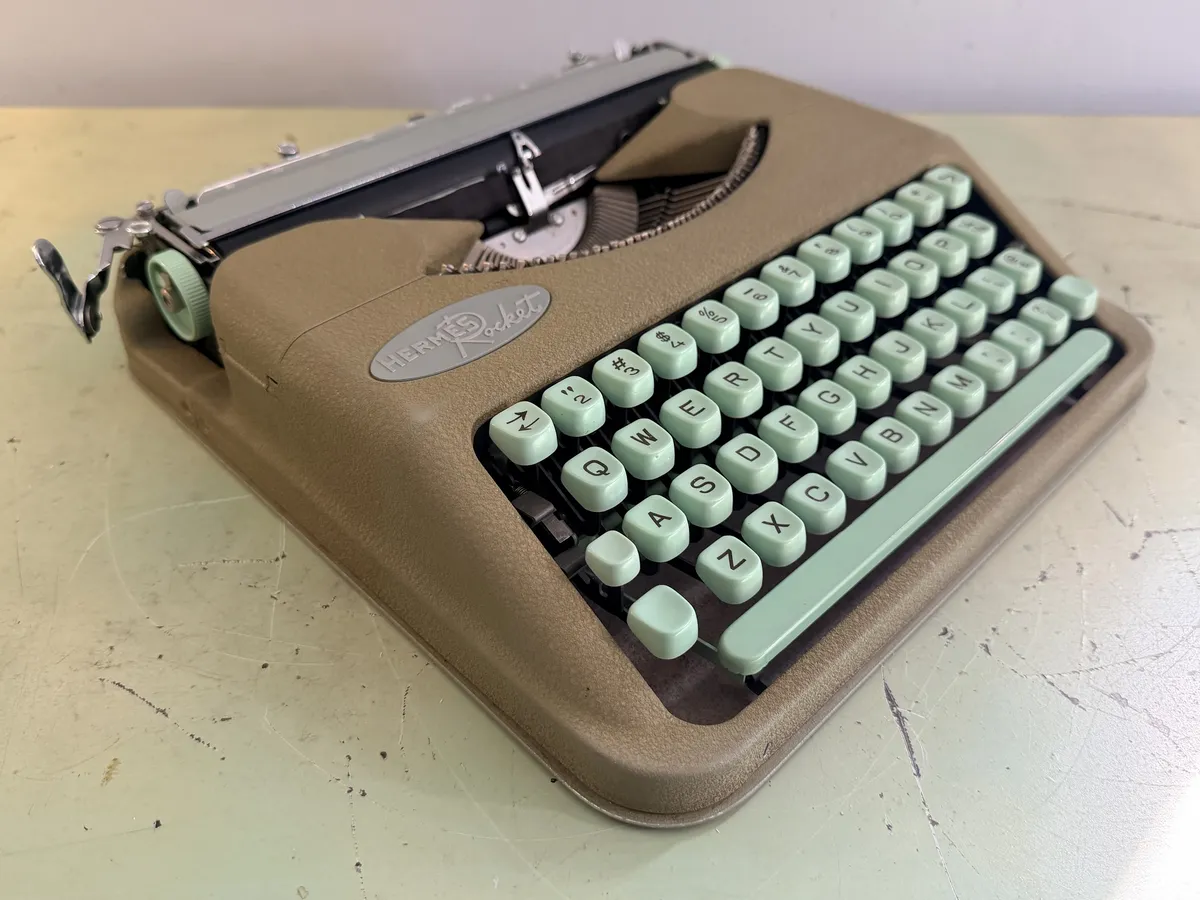
As a matter of fact, contrary again to the way most restorers work, the same instinct follows me inside the machine.
The more time I’ve spent repairing typewriters, the more convinced I’ve become that restraint is every bit as important as knowledge. Once you understand how these mechanisms work, it’s surprisingly easy to convince yourself that every screw ought to be turned, every adjustment refined, every old trace of oil scrubbed away.
Sometimes that’s exactly what’s needed. But very often it is not. Most machines are less full of mystery so much as they're full of history.
And so what’s inside a machine isn’t dirt. Or at least it's not just dirt. It’s decades of tiny accommodations. Oil that has aged. Bearing surfaces that have worn together. Springs that have found their tension. Parts that have quietly settled into one another through tens of thousands of keystrokes. Left alone, those relationships are often remarkably stable.
Disturb them carelessly, as I've done all too many times, and you’ve changed something you may not be able to put back.
I’ve probably seen more machines harmed by unnecessary enthusiasm than by honest neglect. A linkage bent just a little too far. A screw tightened because it looked loose. The wrong solvent. The wrong tool. Too much confidence. Not enough patience.
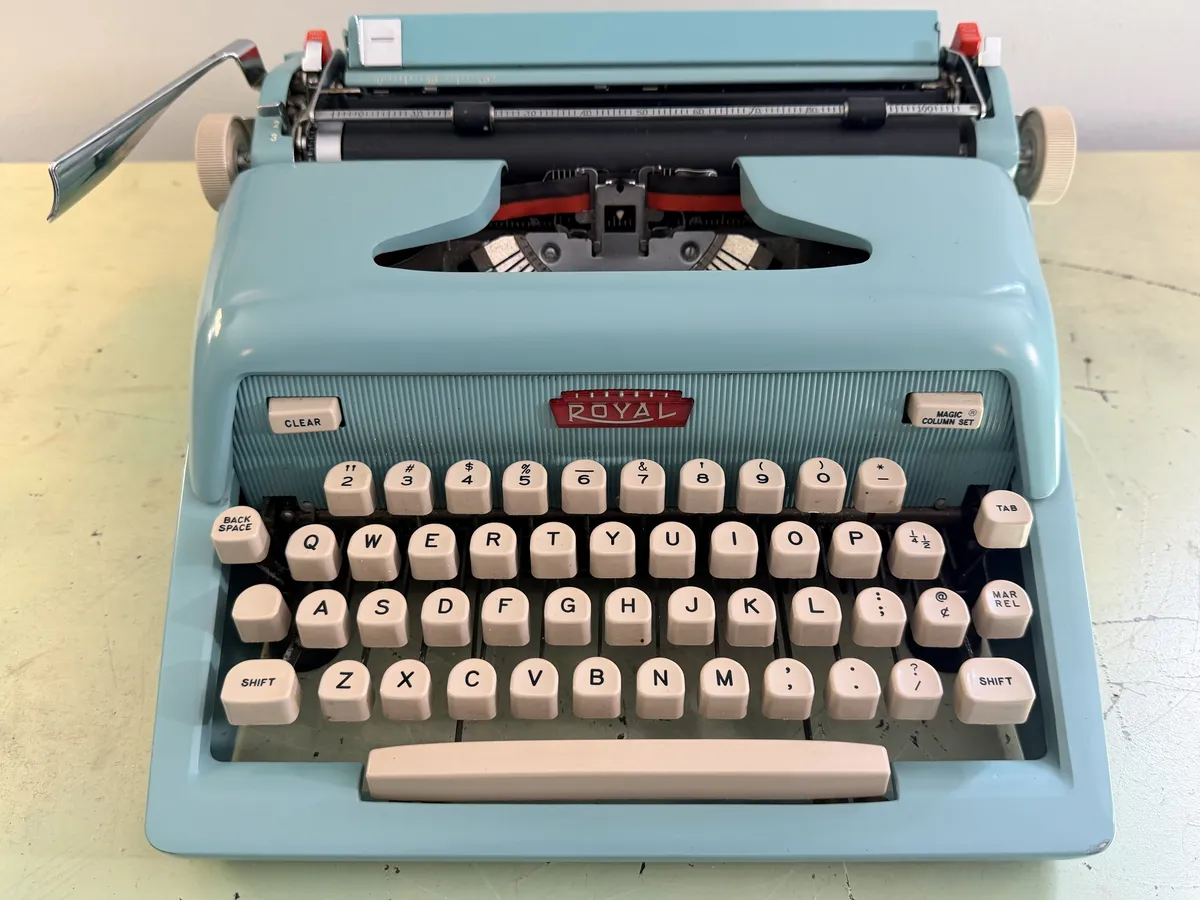
I think of a forest. A forest teaches the same lesson. It’s easy to look at an old woodland and imagine the blight of development and all the "improvements" you could make. Clear this. Straighten that. Remove what’s untidy. But every mature forest is the product of countless interactions that happened without you. The wiser approach is usually to interfere only when you understand exactly why you’re doing it. You leave the woods respectfully and without undue disturbance.
Old typewriters deserve the same courtesy.
That’s why I call myself a mechanic.
Because the more I age, the less interested I become in making old things look untouched by time. I’m much more interested in helping them survive it.
I believe history is worth preserving, function is worth restoring, and wisdom often consists of knowing the difference.