STOP putting wd-40 in your typewriter (and other shit that annoys me).
So first off, please stop putting WD-40 in your typewriter.
I’m unsure how this particular bit of folk wisdom has survived as long as it has. It’s true that WD-40 comes in a can and that typewriters are machines… but it’s time to dispense with the idea that anything mechanical which fails to move freely wants to be hosed down with whatever you can find in the garage.
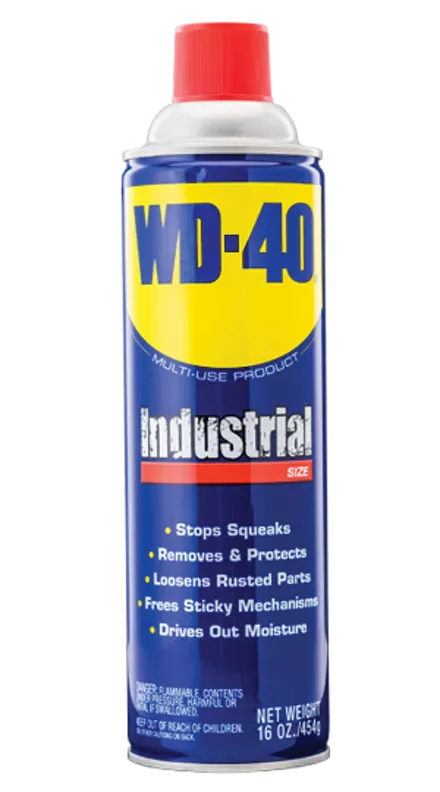
Your sticky E key? It does not want WD-40.
In fact, it probably doesn't want oil at all.
This is the part that seems to offend people. A typewriter is plainly a machine. Machines have moving parts. Moving parts require lubrication. QED, fetch the oil can.
Except a typewriter isn't an engine block. Most of what you're looking at in there is a collection of light linkages, pivots, springs, and little bits of metal, each doing very small amounts of work with surprisingly little force. When one of them becomes sluggish after sixty years, the culprit is very often exactly what you'd expect to find after sixty years.
Junk. Detritus. Foreign matter.
Basically the recipe for that sludge is dust, eraser crumbs, paper fibers, cigarette ash, hair, and old oil. Then someone adds extra oil on top of all that old oil, mixing with whatever airborne horrors inhabited the accounting department at Sears through the seventies.
Yes, I have found things inside typewriters I prefer not to identify.
Adding oil to this does not constitute a repair.
You've simply made oily shit.
It’s true that WD-40 is particularly seductive… because it works. At first. Spray enough of it into a sluggish mechanism and there's a decent chance something will start moving more freely. WD-40 is a penetrating, water-displacing product that also lubricates. It isn't sulfuric acid. Your typewriter isn't going to burst into flames because a drop touched the segment.
But that’s almost the problem. Because now you think you’ve fixed it, when what you've actually done is introduce a product indiscriminately into a complex mechanism without finding out why the mechanism wasn't working properly in the first place.
More than the WD-40 itself, that’s the thing that really annoys me.
Because it’s not about one person reaching for the can of water displacement solution. It’s that, as users of these wonderful machines, we’re forever trying to fix typewriters before we've bothered to find out what's wrong with them.
A sluggish typebar often doesn't need lubrication. It needs cleaning. I use mineral spirits and those little plumber's acid brushes for this sort of thing all the time. Get a little solvent into the relevant metal mechanism, work the key. Work it again. Brush. Move. Brush. Move. Let the crud come out. Let the mineral spirits evaporate.
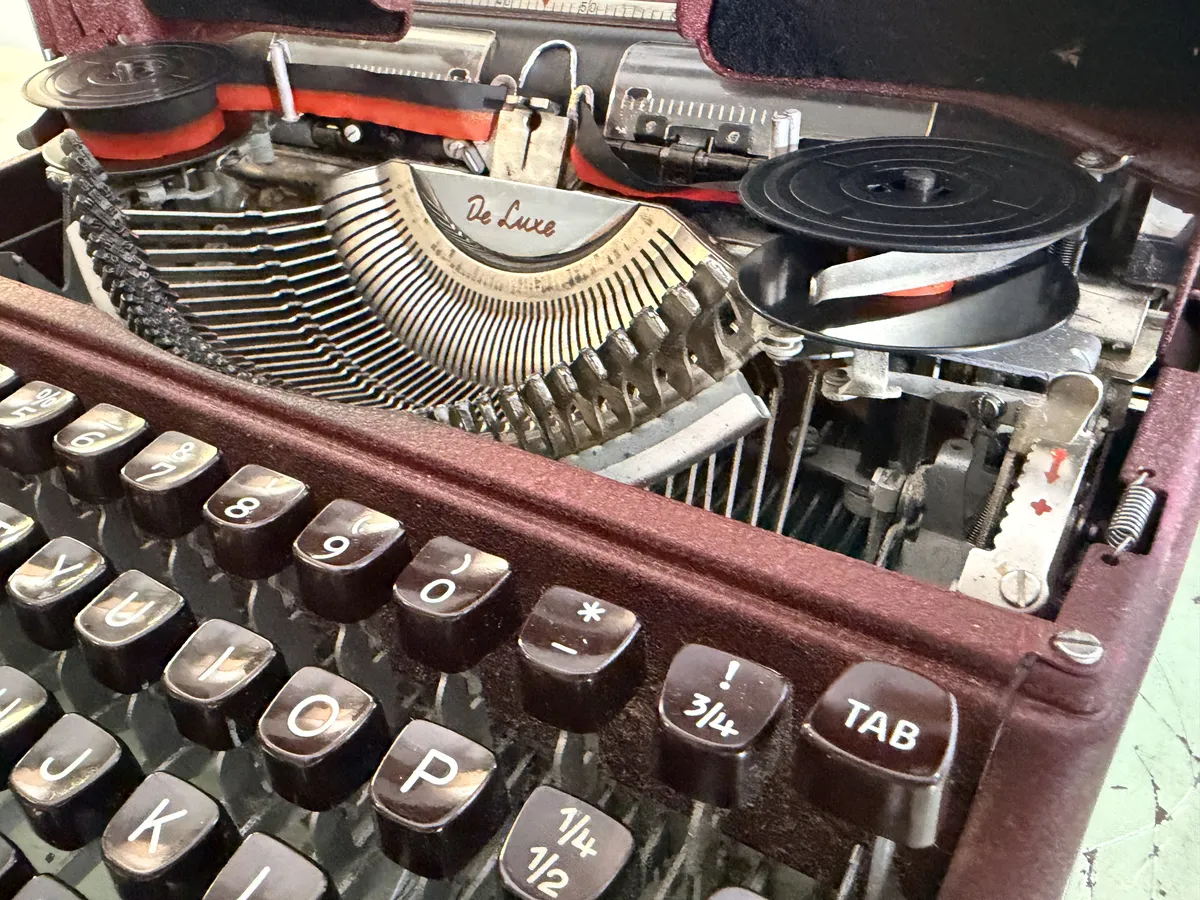
Use some sense, obviously. Mineral spirits is a solvent. It's flammable. Don't breathe the stuff for the hell of it like Dee Dee Ramone. Don't slosh it all over painted surfaces, rubber, plastic, decals or anything else simply because some fellow on the internet told you mineral spirits are safe for typewriters.
(I am that fellow on the internet, and I'm telling you, please don’t do that.)
But on the appropriate bare metal mechanism, used carefully, it can do wonders. Often the great mechanical repair is simply cleaning something and moving it back and forth until the sixty years of crap preventing it from moving isn't there anymore.
No oil required.
No parts required.
No sacrament performed over the machine under a full moon.
Just try to get the shit out of the way.
And before you put anything on the machine, take a minute and actually look at what it's doing.
Press the troublesome key slowly. Watch the typebar come up. Does it move freely until a certain point? Is it rubbing the typebar next to it? Does the key itself feel sluggish, or is the resistance farther along the linkage? Move the typebar gently by hand. Follow the motion back toward the keyboard. See if you can figure out where things stop behaving normally.
You don't necessarily have to know the names of all the parts to do this. Half the battle is simply resisting the urge to change something long enough to observe it.
Because a sticky key is a symptom, not a diagnosis.
It might be junk in the segment. It might be a bent typebar rubbing its neighbor. It might be something binding farther down the linkage. It might be an adjustment. And yes, somewhere in the machine there may actually be two pieces of metal that would appreciate a little lubrication.
Those problems can feel remarkably similar from the keyboard. They aren't the same problem.
Now... I know what you’re thinking at this point, and yes, sometimes I oil a typewriter.
This is another subject capable of starting a small religious war among typewriter people. There are mechanics who would prefer owners never oil anything themselves, and I understand why. A surprising number of machines arrive on benches having been loved nearly to death.
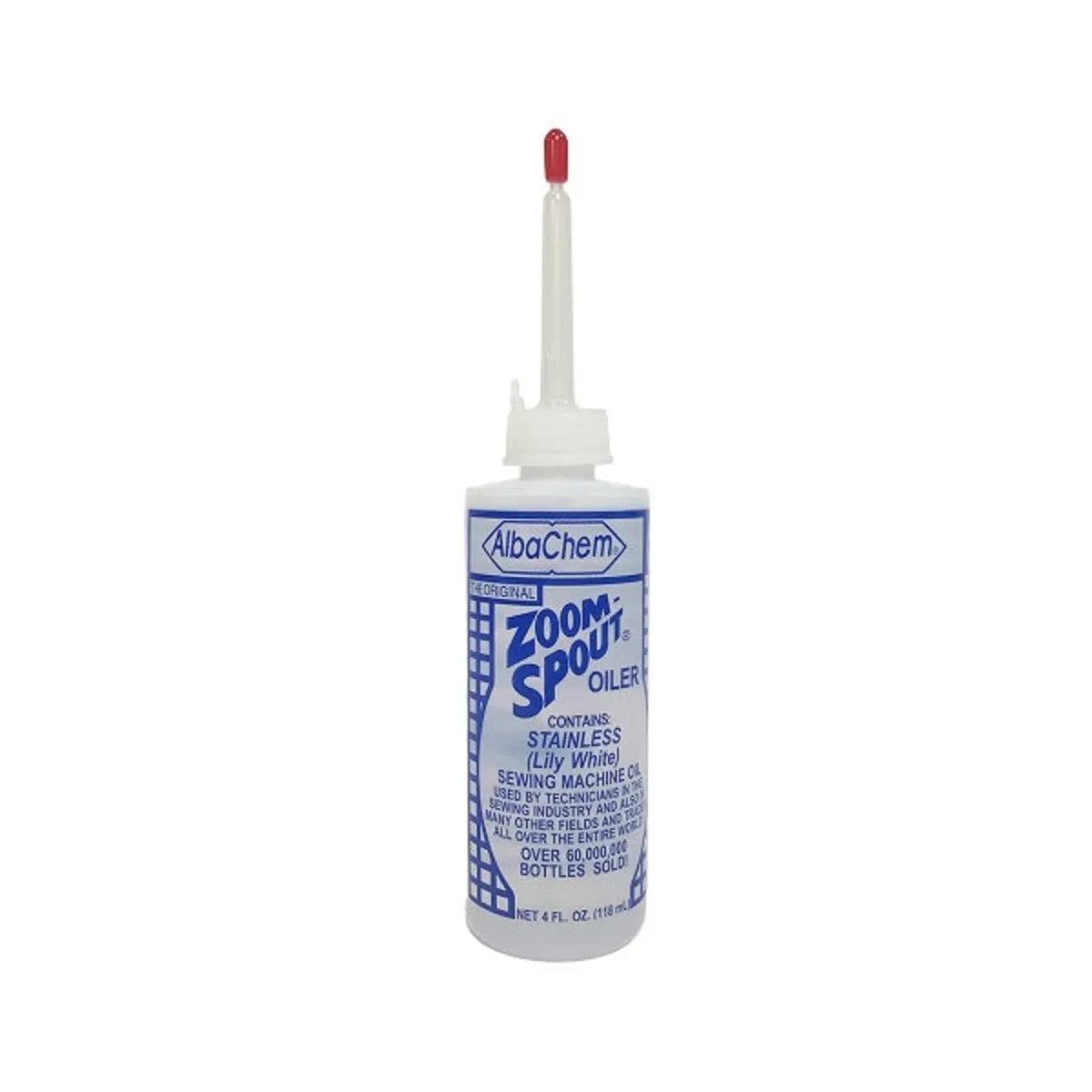
If oil is actually called for, I like Lilly White. A good light sewing-machine oil will do, too. More important than the name on the bottle is what you do with it. I use a long, thin needle applicator when applying oil. I want the smallest drop I can reasonably put at one specific friction point. Then I work the mechanism to carry it where it needs to go and wipe away whatever is left.
That's oiling a typewriter.
Squeezing a small stream onto the segment and hoping Newton takes it from there is not.
If you can see the oil pooling, you have almost certainly used too much. Oil attracts dust. Dust plus oil becomes grime. Grime eventually becomes the thing some poor bastard twenty years from now is trying to remove with mineral spirits while wondering who did this.
Hello from the past, poor bastard. It was us!
And that's probably enough sermonizing about lubricant for one day.
The point isn't that WD-40 is some uniquely evil substance capable of destroying a typewriter on contact. The point is that reaching for a can of anything before you've figured out what the machine is trying to tell you is backwards.
Clean it. Move it. Watch it.
If cleaning fixes it, wonderful. If it doesn't, you've at least learned something. Follow the linkage. Find the resistance. Figure out what is rubbing, sticking, binding, bent, dirty, or out of adjustment.
Diagnose first.
Intervene second.
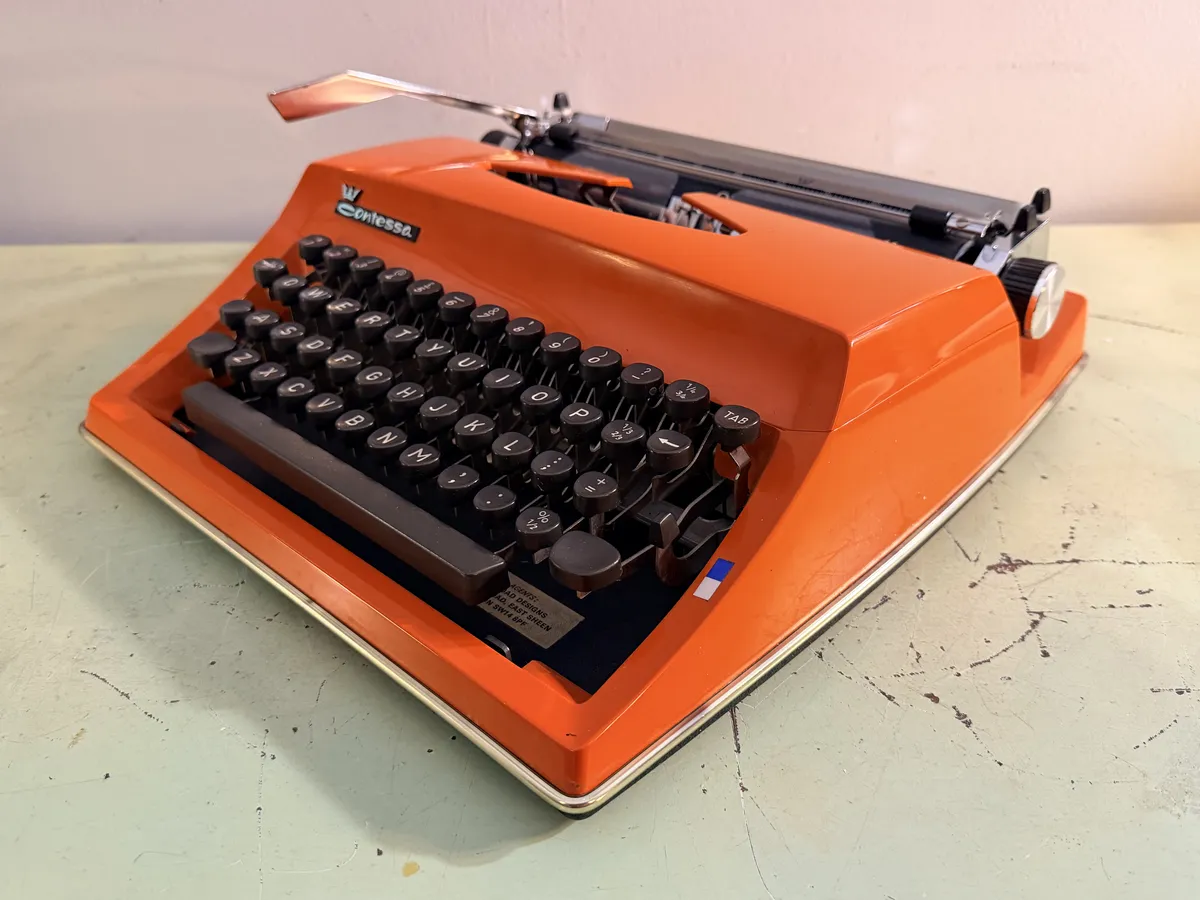
Sometimes the repair is mineral spirits and an acid brush. Sometimes it's an adjustment. Sometimes something really does need that infinitesimal drop of oil. And sometimes the most useful thing you can do is stop screwing around with a mechanism that's already working perfectly well.
There'll be more to say about that another day.
For now, the next time a key starts sticking, don't ask:
What should I put on this?
Ask:
Why is it doing that?
Then, for the love of God...
Please put the WD-40 back in the garage.